



Gross & Son Paint & Body Shop
August 14, 2026
Key Takeaways
- Salt air can settle into paint pores, wheel surfaces, and underbody seams.
- Humidity can speed rust, mildew, and electrical wear.
- Weekly or biweekly washing helps remove salt before it bonds to surfaces.
- Professional repair may be needed once paint bubbles, rust spreads, or corrosion reaches key parts.
Pensacola is one of the most beautiful places in the country to live, but its coastal climate can be hard on vehicles. For anyone asking how to protect car paint, salt air is a good place to start. After a beach drive or humid Gulf breeze, tiny salt particles can cling to paint, glass, wheels, and exposed metal.
Drivers across areas such as Pensacola, Gulf Breeze, Perdido Key, Navarre, and along the Emerald Coast deal with this regularly. Heat, sun, moisture, and coastal wind can lead to fading, rust, and trim wear sooner than in inland areas.
Since these conditions are part of everyday coastal living, local car care is something drivers cannot ignore. In this blog, we explore how salt air and humidity affect your vehicle and the practical steps Pensacola drivers can take to prevent costly damage.
How Salt Air and Humidity Damage Your Vehicle
Salt air car damage in Pensacola starts at the surface level, but it rarely stays there. Salt attracts moisture, and moisture lets corrosion spread across bare metal, chips, seams, and fasteners. In a Gulf Coast climate, paint, wheels, underbody parts, and rubber seals all need more frequent checks than they would in a dry inland area.
Let’s break this down!
Paint and Clear Coat Degradation
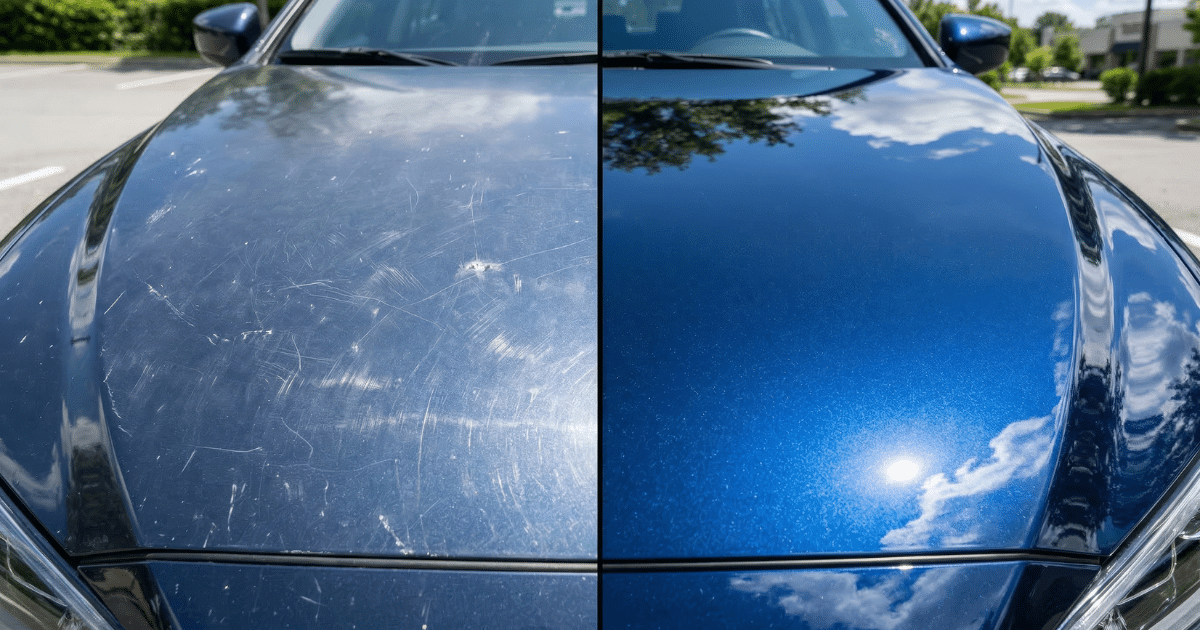
Modern paint has these layers: primer, base color, and clear coat. The clear coat protects the color from sun, water, and debris, but salt can settle into tiny pores and scratches. Over time, the finish may start to look dull, chalky, or stained.
On the Gulf Coast, salt is only part of the problem. UV rays heat the surface, while humidity keeps moisture against the paint. A dark hood parked near Pensacola Beach can heat up quickly, cool overnight, and collect a damp salt film again by morning.
Metal and Undercarriage Corrosion
Salt causes rust by helping water conduct electricity between metal surfaces, attacking brake lines, suspension parts, frames, bolts, and undercarriage seams. A vehicle may look clean outside while corrosion grows under the floorpan or near wheel wells. Some of the high-risk areas include Perdido Key, Gulf Breeze, Navarre Beach, and Pensacola Beach, where vehicles face more salt spray.
Pro tip: Owners can also use the National Highway Traffic Safety Administration’s recalls lookup to check whether a vehicle has open safety recalls that may relate to corrosion or other defects.
Rubber Seals, Trim, and Interior Damage
Salt air and heat can dry out seals around doors, windows, sunroofs, and trunks, causing cracks or water leaks. Humidity can also lead to mildew, damp interiors, and moisture around electrical components. For luxury and electric vehicles, even small leaks can affect sensors, cameras, and charge ports.
Tires and Wheels
Salt, sand, and brake dust can cause alloy wheels to pit, leaving white spots, rough patches, or peeling clear coat. Since corrosion can also affect the tire bead seal and cause slow air loss, check your tires when wheel damage appears.
Warning Signs Your Car Has Salt or Humidity Damage
Salt and humidity damage can start in small areas before becoming more visible. Check for these signs during regular vehicle inspections:
- Paint damage: Bubbling, flaking, peeling, or orange rust spots around edges and wheel arches.
- Corrosion: Rust-colored drips, corroded suspension parts, or undercarriage rust.
- Seal damage: Cracked, stiff, or leaking door and window seals.
- Moisture: Damp smells, wet mats, or water in the trunk or spare tire area.
- Faded finish: Dull or chalky paint that may indicate clear coat wear.
How to Protect Your Car from Salt Air in Pensacola
The best plan to protect your car from salt air is steady care, not one big fix after damage appears. Coastal vehicles need salt removal, paint barriers, smart parking, and regular inspections. This is also where car paint protection in Pensacola should match local conditions.
Here’s what you can do:
Wash Your Vehicle Regularly and the Right Way
A weekly wash is smart for vehicles parked near the Gulf, driven on beach roads or stored outside. A biweekly wash may work farther inland if the paint stays clean. After storms, beach trips or salt spray, wash sooner.
Use pH-balanced car soap, a soft wash mitt and clean towels. Avoid dish soap, dry wiping and dirty self-serve brushes. Rinse from top to bottom, then focus on wheel wells, rocker panels and lower doors. An undercarriage flush helps remove salt from hidden seams.
Pro tip: Feel free to navigate through AAA’s vehicle care tips. They can help support routine checks, fluid care, and seasonal upkeep.
Wax and Paint Sealant
Wax adds a short-term barrier between salt and clear coat. Paint sealant lasts longer than many wax products and can create a slicker surface that sheds grime. In a coastal climate, many vehicles benefit from fresh wax or sealant several times a year, depending on parking, wash habits, and sun exposure.
To see whether that protection is still working, try a simple water test after washing. Spray water on the hood. If it beads tightly and rolls away, the barrier is still doing its job. If water sits flat across the paint, the coating has worn down, and salt can cling more easily to the surface.
Ceramic Coating
Ceramic coating in Pensacola, FL is a popular liquid-applied layer that bonds to the clear coat. It differs from wax because it forms a harder, longer-lasting barrier. It does not make paint damage-proof, but it can help resist salt, UV wear, grime, and chemical staining.
Good paint preparation helps the coating bond properly and last longer. So, before choosing a service, check what prep is included and how the coating should be maintained. For added protection, automotive detailing in Pensacola, FL can help keep salt, sun, and humidity from taking a toll on your paint.
Paint Protection Film (PPF)
Paint protection film is a clear urethane film placed over high-impact areas. It shields paint from salt spray, sand, small stones, and UV exposure. PPF works well on hoods, front bumpers, mirror caps, door cups, and rocker panels where chips tend to start.
The film is most useful before damage appears. Once chips expose metal, salt can creep under nearby paint. Owners of luxury and electric vehicles may favor PPF on front-facing panels because sensor areas, bumper covers, and trim can be costly to refinish or replace.
Park Smart
Garage parking gives the best daily shield from salt air and UV rays. If no garage is available, a breathable car cover can help, as long as the car is clean before covering. A dirty cover or trapped sand can scratch paint during windy Pensacola nights.
Avoid low-lying parking areas after heavy rain, especially near beach access roads and bayside lots. Standing water can carry salt, sand, and debris into wheel wells and lower seams. If the vehicle drives through deep water, rinse the underbody as soon as it is safe.
When Professional Repair Is Needed
Not every type of salt or humidity damage can be fixed with a wash or wax. If you notice rust, peeling paint, or structural corrosion, professional inspection and repair can prevent the problem from spreading.
- Paint damage: Professional paint correction in Pensacola can restore faded, oxidized, or lightly scratched paint by smoothing the clear coat. However, peeling or bubbling paint usually needs refinishing rather than correction.
- Dents and chips: Paintless dent repair in Pensacola can work for dents where the paint remains intact. Chipped or cracked paint should also be repaired to keep salt from reaching the bare metal.
- Rust and corrosion: If you are constantly searching for car rust repair near me, look for a shop that checks both the visible damage and the metal underneath. Rust affecting brake lines, suspension mounts, frame rails, or structural seams needs closer attention.
- Collision and structural damage: Severe corrosion around panel seams, bumper mounts, sensor brackets, or frame areas may require collision repair, welding, refinishing, or part replacement. An auto body shop in Pensacola, FL can assess the damage and recommend the right repair.
- Insurance and towing: Long-term rust is generally treated differently from sudden damage covered by insurance. If corrosion creates a road hazard or leaves the vehicle unsafe to drive, towing can help get it to a repair shop without adding further risk.
Frequently Asked Questions
How quickly does salt air damage a car in Pensacola?
Salt air can start leaving residue on a car within days, but visible damage may take longer. The timeline depends on parking distance from the Gulf, wash habits, paint condition, and how much bare metal is exposed.
How often should I wash my car if I live near the Gulf?
Most Gulf-side drivers should wash weekly, while many inland drivers can wash biweekly. Wash sooner after beach trips, storms, salt spray, or long periods of outdoor parking.
Is ceramic coating worth it in a coastal climate?
Ceramic coating can be worth it for coastal vehicles because it adds a durable barrier over the clear coat. It still needs safe washing, but it helps salt, grime, and water release more easily.
Can rust from salt air be repaired?
Yes, rust from salt air can be repaired if the affected metal is treated the right way. Light surface rust may be cleaned and sealed, while deep rust may need panel repair or part replacement.
Does car insurance cover salt air or rust damage?
Car insurance usually does not cover wear from salt air or long-term rust. Coverage may apply when corrosion is tied to a covered loss, but policy terms and inspection details guide that decision.
Final Thoughts
Salt air, humidity, and Gulf Coast sun can wear down paint, metal, trim, wheels, and interior parts faster than many drivers expect. That’s why the best defense is steady maintenance: wash regularly, rinse the undercarriage, protect the clear coat, check seals, and act early when rust or paint failure appears.
Those small steps matter, but routine inspections can catch hidden damage before it spreads. At Gross and Son, we have served Pensacola drivers since 1947, combining decades of craftsmanship with advanced repair equipment and a large Gulf Coast facility.
For a paint inspection, detailing review, or repair estimate, call (850) 434-5309 or request an estimate.
Share This Post