



Gross & Son Paint & Body Shop
August 3, 2026
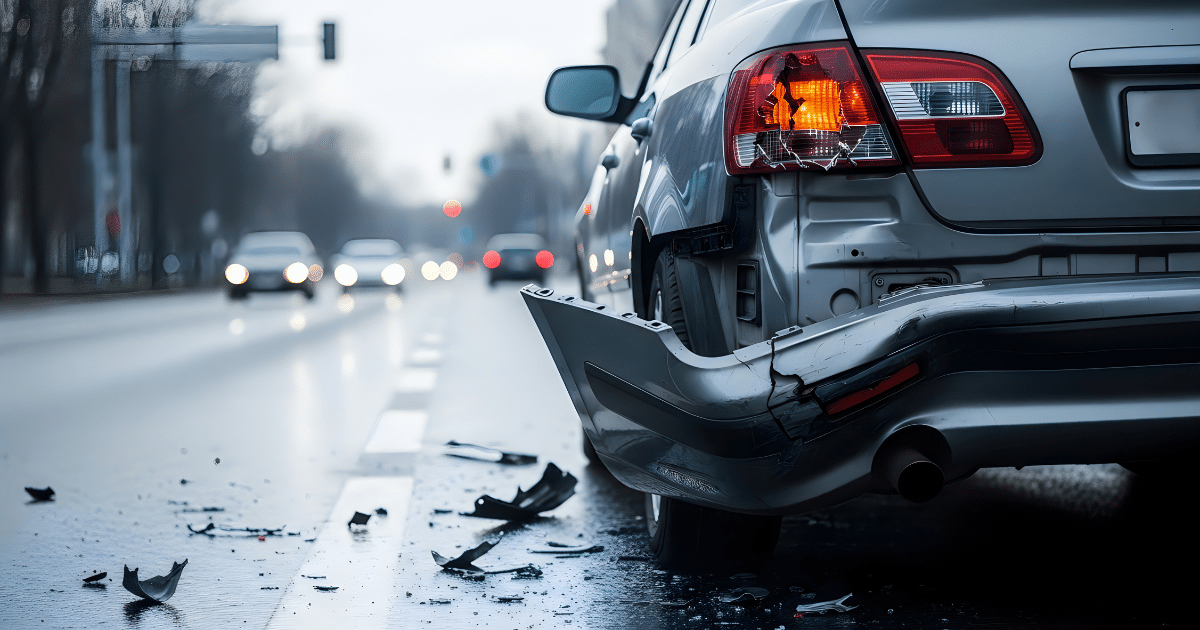
After a collision, the first question on most drivers’ minds is, “How much does collision repair cost?” Well, the answer depends on the type of damage, vehicle design, parts selection, paintwork, labor time, and what is found after teardown.
No two repairs are the same. A bumper scuff from a parking lot scrape in Pensacola, Florida, may cost far less than hidden frame or sensor damage after a crash.
Drivers throughout Pensacola, Gulf Breeze, Pace, and Navarre deal with salt air, heavy rain, tourist traffic, and tight parking lots. Those local factors can affect damage, paint work, and repair timing.
This guide explains what affects repair pricing, what cost ranges to expect, and how insurance or financing may help.
Key Takeaways
- Minor dents, scratches, and bumper scuffs cost less than structural repairs or multi-panel damage.
- Luxury and electric vehicles can cost more because of parts, scan steps, high-voltage rules, and driver-assist systems.
- A written auto body repair cost estimate gives a clearer view than photos or phone quotes.
- Insurance may cover repair costs, but the deductible and policy type affect out-of-pocket cost.
- A diminished value claim in Florida may apply if the vehicle loses market value after repair.
What Factors Affect Collision Repair Cost?
The collision repair cost in Pensacola, FL depends on the damage, vehicle design, parts, paintwork, and any safety systems that need scans or resets. That’s why two cars with similar bumper damage can still receive very different estimates.
Type and Extent of Damage
Minor damage may be limited to scratches, small dents, or bumper scuffs, while more serious repairs can involve fenders, doors, lamps, suspension, airbag sensors, or frame components.
Hidden damage is another cost factor. What looks like a simple bumper scrape may include damage to brackets, absorbers, or sensors behind the panel, so teardown helps confirm the full repair scope.
Vehicle Make and Model
Vehicle design also affects repair costs. Standard sedans may have simpler repairs and lower parts costs, while luxury and electric vehicles can require specialized tools, scans, materials, and repair data.
EV repair is also becoming a larger part of collision work. CCC reports that EVs made up 4% of repairable claims in 2025, up from 2.8% the year before. This growth adds to parts, training, and repair planning demands.
OEM vs. Aftermarket Parts
OEM parts come from the vehicle manufacturer, while aftermarket parts are made by third-party suppliers. OEM parts may better support proper fit, crash performance, and warranty requirements, while aftermarket parts may help reduce costs in some situations.
Since parts can affect safety systems, panel gaps, and sensor mounting points, owners and insurers should review each option carefully before repairs begin.
Paint and Refinishing Complexity
Paint work can be a significant part of a repair bill. Flat colors may be easier to refinish, while pearl, metallic, and multi-stage finishes take more time to match and may require blending into nearby panels.
Gulf Coast humidity can also affect prep, dry times, and finish control. Careful moisture management, surface prep, and booth settings help ensure the repair looks right and lasts.
Labor Rates in Pensacola
Labor rates vary by shop type, training, equipment, and repair process. A certified shop may charge more than a general shop. This is because the repair may require brand repair data, weld testing, scan tools, calibration tools, and set repair steps.
For collision repair in Pensacola, FL, price should never be judged by labor rate alone. The better question is whether the repair plan follows the vehicle maker’s procedure. A lower estimate may leave out scans, clips, calibrations, or refinish steps that still need to be done by an auto body shop in Pensacola, FL.
Collision Repair Cost by Damage Type: What to Expect
Drivers often ask how much collision repair costs because they need a real number before making plans. These planning ranges vary by vehicle, parts, labor rate, and hidden damage, but they help set a useful starting point. A full collision repair cost in Pensacola estimate should come after an in-person check and, when needed, teardown.
Minor Damage
According to general market standards, minor damage usually includes small dents, bumper scuffs, light scratches or trim damage, with repairs often ranging from about $150 to $1,500. Common fixes include buffing, spot repair, paintless dent repair, bumper repair or a small part replacement, depending on paint and parts needs.
Paintless dent repair can lower costs when the paint is intact, but deep creases, cracked paint or edge damage may require more involved repair.
Moderate Damage
Moderate damage can involve doors, fenders, quarter panels, liftgates or bumper systems, often ranging from about $1,500 to $5,000 (per general market standards) with parts, labor, paint materials and scans included. The final cost depends on whether the panel can be repaired or must be replaced.
A clear auto body repair cost estimate lists parts and labor separately, including items like brackets, lamps, molding, refinish time, blend time, and post-repair checks.
Paint matching may also add time, especially with metallic or pearl finishes that often need blending into nearby panels.
Significant Collision Damage
Significant damage may involve the frame, suspension, airbag sensors, or multiple panels. In severe cases, the insurer may also review the vehicle for a total loss.
Repair costs can rise further when driver-assist systems are involved. Cameras, radar, and sensors may need calibration after structural or bumper repairs, and calibration appeared on 35.6% of Direct Repair Program estimates in Q3 2025, up from 26%.
Even after repairs begin, the estimate may change if teardown reveals hidden damage, such as broken mounts, crushed foam, or wiring issues.
Tesla and EV collision repair costs
Tesla and other EV repairs can cost more due to high-voltage safety rules, battery checks, OEM parts, and required repair procedures. Many also need scans and calibration so cameras, sensors, and driver-assist systems work properly after body repair.
Before welding or structural work, technicians may need to isolate high-voltage components. For drivers comparing collision repair options in Pensacola, FL, certified training and the right equipment can help support safe, proper repairs.
Will Insurance Cover My Collision Repair in Pensacola?
Insurance coverage depends on the policy and crash details. Collision coverage generally helps pay for damage to your vehicle after a crash, while liability coverage applies to damage you cause to another party.
For car body repair insurance, the process typically starts with a claim, photos, an inspection, and an estimate. If teardown reveals hidden damage, the shop may submit a supplement.
Pro tip: Florida drivers can also use resources from the Florida Office of Insurance Regulation to review insurance information.
The Deductible and Out-of-Pocket Cost
The deductible is the amount the vehicle owner pays before insurance covers the rest. If the repair cost is close to the deductible, compare the claim value with possible rate effects.
That does not mean skipping a claim. Base the decision on repair cost, policy terms, and vehicle needs. Safety-related damage, hidden damage, or sensor issues still need inspection, even when the visible damage looks minor.
Your Right to Choose a Shop in Florida
Florida drivers can choose their own repair shop, even when an insurer recommends a facility. This choice can be especially useful for luxury and electric vehicles that may require certified procedures, OEM repair data, or specialized scan tools.
If an insurer’s estimate misses necessary repairs, the shop can submit a supplement for review. Keeping a clear car body repair insurance file also helps organize photos, invoices, and repair notes.
Diminished Value Claims
A diminished value claim in Florida may apply when a vehicle is worth less after a crash, even after proper repairs. It focuses on the difference between the vehicle’s pre-crash value and its value after the accident appears on its history.
To support a diminished value claim, keep repair records, photos, the final invoice, and appraisal data. An independent appraisal may also help, while policy terms, fault, and claim type can affect the claim.
What If the Deductible or Out-of-Pocket Costs Are Too High?
A deductible or uncovered repair can strain a budget, even with insurance. Car repair financing in Pensacola may help cover the gap during a claim, parts order, or out-of-pocket repair.
Some plans offer soft credit reviews, quick decisions, and fixed payments. So, before accepting, review the terms, fees, payment schedule, and payoff rules so the full cost is clear.
Drivers can use car repair financing in Pensacola for items such as
- Insurance deductibles
- Wear-related repairs found during body repair
- Small claims paid out of pocket
- Cosmetic repairs not covered by the policy
- Rental gap costs, if not covered elsewhere
How to Get an Accurate Collision Repair Estimate in Pensacola
An online photo quote or phone quote can give a rough idea. However, it cannot confirm hidden damage. A true auto body repair cost estimate can only be determined after analyzing the needs of the vehicle, repair data, paint check, parts review, and scan needs.
A professional inspection for collision repair cost in Pensacola, FL usually includes:
- Photos of all damaged areas
- Panel gap checks
- Lamp, sensor, and trim review
- Paint code and finish review
- Parts research
- Pre-repair scan, when needed
- Teardown if hidden damage is likely
Why Estimates Change After Teardown
An estimate may change after teardown because some parts sit behind panels. A cracked bumper cover may hide damage to brackets, sensors, wiring, or absorber foam. Door damage may hide intrusion beam damage or window track damage.
This does not mean the first estimate was wrong. It means the first view was limited. A clear supplement should explain what changed, why the added work is needed, and how it affects the repair timeline.
Local Service Area and Repair Logistics
Drivers in Pensacola, Gulf Breeze, Pace, Milton, Navarre, Cantonment, and nearby Escambia and Santa Rosa counties should consider transportation before repairs begin. If the vehicle leaks fluid, has airbag lights, bent wheels, or pulls while driving, towing may be safer than driving.
After a crash, professional towing services in Pensacola can help move a damaged vehicle to the right repair facility. When choosing an auto body shop in Pensacola, FL, ask about parts timing, claim status, rental needs, and possible supplements.
Pro tip: The NHTSA offers safety recall and vehicle safety resources that can help owners check open recalls while repair planning is underway.
Frequently Asked Questions
How much does it cost to repair a bumper in Pensacola?
Bumper repair may range from a few hundred dollars for light scuffs to several thousand dollars if replacement, sensors, or paint blending are needed. An in-person check gives the most useful answer because brackets, absorbers, and wiring can hide behind the bumper cover.
Does insurance always cover collision repair?
No, insurance does not always cover the full repair. Coverage depends on the policy, fault, deductible, exclusions, and whether the claim falls under collision, liability, or another coverage type.
How long does collision repair take?
Repair time depends on damage, parts supply, insurer review, and paint work. Minor repairs may move faster, while structural repairs, electric vehicle repairs, and jobs with supplements can take longer.
Can collision repair be financed in Pensacola?
Yes, financing may be available for deductibles and out-of-pocket repair costs. Review the payment terms first, then compare the total cost with the claim amount and repair plan.
Will a car ever be the same after collision repair?
Yes, a vehicle can return to proper function and appearance when the repair follows the maker’s repair steps. The final result depends on correct parts, trained repair work, paint match, scans, and post-repair checks.
Request an Estimate
Collision repair cost depends on damage, vehicle type, parts choice, paint needs, insurance coverage, and hidden damage found during teardown. The best next step is a clear inspection, a written estimate, and a repair plan that explains each line item in plain terms.
At Gross and Son, we have served Pensacola drivers for decades with certified collision repair, careful workmanship, and clear communication. Our team helps restore vehicles with the right repair plan, parts, and post-repair checks.
For more details, request an estimate today.
Share This Post