



Gross & Son Paint & Body Shop
May 11, 2026
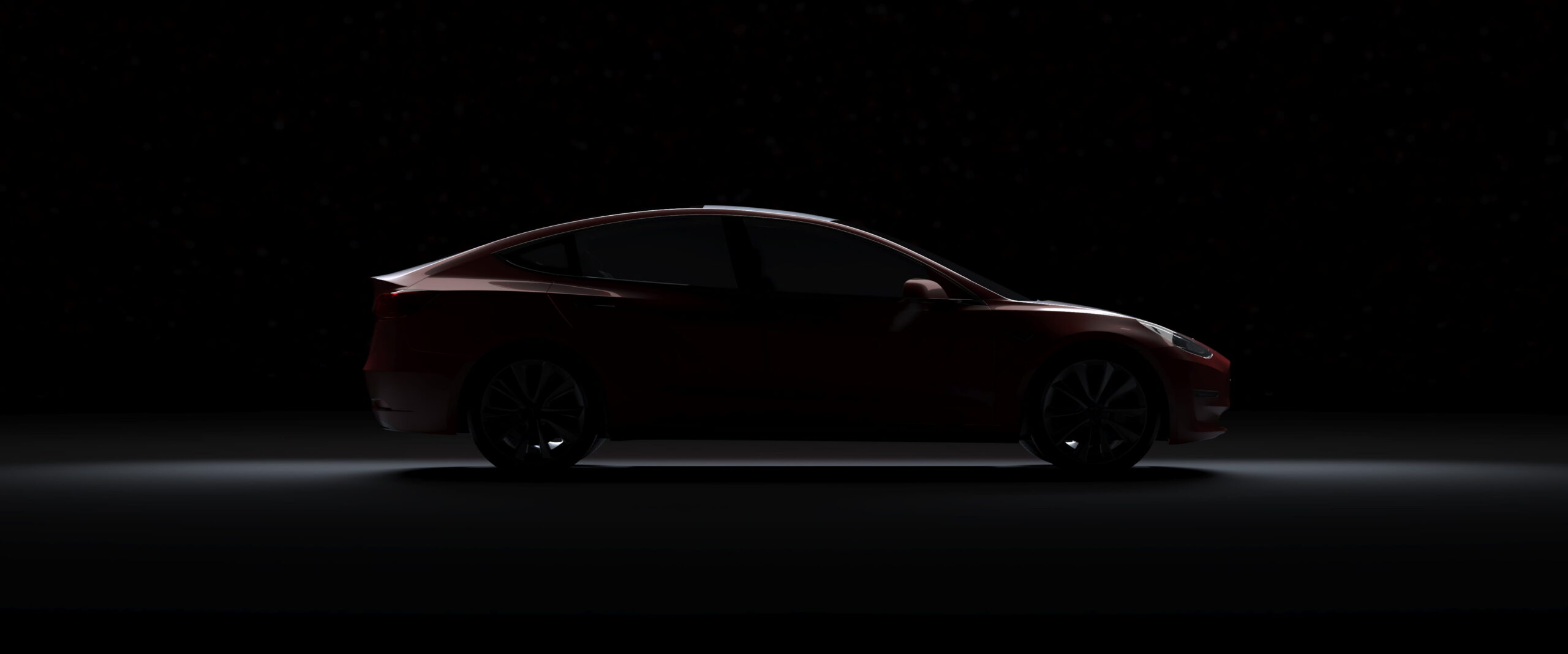
If you’ve been in an accident with your Tesla, you’re probably asking two questions. Where should you take it? And does that shop actually know how to fix it right?
Those are not the same question. The difference matters more than most Tesla owners realize.
Tesla vehicles are not conventional cars. They require specific training, approved tools, OEM parts, and precise repair procedures. That’s why Tesla created its certified collision repair program. And that’s why choosing a Tesla certified body shop near you is one of the most important decisions you’ll make after an accident.
Gross & Son Paint & Body Shop is proud to be Pensacola’s first Tesla Certified Collision Center. This guide explains what that certification means, what it requires, and why it should drive your decision on where to take your Tesla.
What Is Tesla Certified Collision Repair?
Tesla’s certified collision repair program vets and approves select body shops to repair Tesla vehicles. It is not a general certification. Tesla reviews each shop individually and only approves those that meet its full list of requirements.
According to Tesla’s official collision repair program, certified shops must:
- Use Tesla-approved repair procedures specific to each model
- Install genuine Tesla OEM parts from Tesla’s own supply chain
- Invest in Tesla-specific tools, including aluminum repair equipment and structural straightening systems
- Complete Tesla’s required technician training and stay current on certification
- Follow Tesla’s high-voltage safety protocols for battery and powertrain work
- Perform pre- and post-repair scanning and ADAS recalibration with Tesla-approved diagnostic tools
Certified shops are listed in Tesla’s official network. You can find them through the Tesla app or website. Gross & Son is on that list — and the only shop in Pensacola with this designation.
Why Tesla Vehicles Require Specialized Repair
Tesla vehicles are built differently from every other car on the road. Here’s what that means for collision repair.
Aluminum and Multi-Material Construction
The Model S and Model X use extensive aluminum throughout the body and frame. Aluminum behaves differently from steel. It can’t be welded the same way. It can’t be straightened with standard steel tools. And mixing aluminum and steel during repair without proper precautions causes corrosion that weakens the vehicle for years.
Tesla certified shops have dedicated aluminum repair environments. Most body shops do not.
Advanced High-Strength Steel and Structural Bonding
The Model 3 and Model Y use high-strength steel bonded with structural adhesives in key crash zones. Heating that steel to straighten it, or skipping the bonding process, permanently reduces crash protection. The repair can look fine from the outside. But the structure is weaker.
Autopilot, Full Self-Driving, and ADAS Recalibration
Every Tesla relies on cameras, ultrasonic sensors, and radar to power Autopilot and its active safety features. These sensors sit throughout the vehicle. Collision damage affects them. Repair work affects them.
Tesla requires a full pre- and post-repair scan and ADAS recalibration after every collision repair. A non-certified shop that skips this step — or uses generic diagnostic tools — may return your Tesla with compromised Autopilot performance. In a vehicle capable of semi-autonomous driving, that’s a safety risk, not a minor inconvenience.
High-Voltage Battery and Electrical Systems
Tesla’s battery pack operates at high voltages. Collision damage can affect battery integrity in ways you can’t see. Certified shops follow specific high-voltage safety protocols. They assess battery condition, handle any battery work safely, and verify all electrical systems before the vehicle leaves the shop. This is not something a general body shop is trained or equipped to do.
OEM Tesla Parts
Tesla makes its own components. It does not use the same aftermarket parts ecosystem as other vehicles. Non-OEM parts affect fit, finish, aerodynamics, and performance. They may also void your Tesla’s warranty. Certified shops source genuine Tesla parts directly from Tesla — no substitutes.
What Happens When a Non-Certified Shop Repairs a Tesla?
The consequences range from cosmetic problems to serious safety issues. Here are the most common outcomes:
- Autopilot cameras that are misaligned or uncalibrated after repair
- Structural joints that don’t meet Tesla’s bonding specifications, reducing crash protection
- Paint and finish inconsistencies from incorrect paint codes or processes
- TPMS errors and sensor faults from improper component handling
- Battery warnings or reduced range from undetected impact damage
- Voided warranty on repaired components from non-OEM parts or unapproved procedures
Most Tesla owners discover these problems weeks or months after picking up their vehicle. By then, the window for correction is often closed. Choosing a Tesla certified collision repair shop from the start is the only way to avoid this entirely.
Tesla Collision Repair Cost — What to Expect
Tesla collision repair costs vary based on the model, the damage, and which components are involved. Here’s a general breakdown:
- Minor cosmetic repairs — bumper scuffs, paint correction, and small panel dents — are relatively straightforward and cost-competitive with other premium vehicles.
- Moderate collision damage involving structural components, aluminum panels, or sensors costs more. OEM parts and specialized labor drive that difference.
- Significant structural or battery-adjacent damage is the most complex repair category. It requires the full range of Tesla-certified procedures, tools, and parts.
Cost should never be the deciding factor in where you take your Tesla. A cheaper quote from a non-certified shop may save money upfront. It can cost far more in safety, performance, and warranty issues down the road.
At Gross & Son, we work directly with all major insurance companies. We handle the claims process on your behalf and help Tesla owners pursue diminished value claims after an accident. Learn more on our insurance claims page.
Gross & Son — Pensacola’s First Tesla Certified Collision Center
Gross & Son became Pensacola’s first Tesla Certified Collision Center. For Tesla owners in Pensacola, Gulf Breeze, Milton, Pace, Navarre, and surrounding areas, that means you no longer have to drive hours to find a qualified shop.
Our Tesla-certified services include:
- Full collision and accident repair for Model 3, Model Y, Model S, Model X, and Cybertruck
- Aluminum and high-strength steel structural repair using Tesla-approved tools
- Genuine Tesla OEM parts sourcing and installation
- Pre- and post-repair scanning and full Autopilot and ADAS recalibration
- High-voltage battery system assessment and safety protocols
- Factory-matched Tesla paint and multi-coat premium refinishing
- Direct insurance coordination and diminished value support
- Tesla tire service and replacement — see our tire services page
If your Tesla is not drivable after an accident, our 24/7 towing service will bring it safely to our Pensacola facility.
How to Find a Tesla Certified Body Shop Near You
If you want to verify a shop’s certification status, use the Tesla body shop locator on Tesla’s website, or check directly through the Tesla app under Service.
Always verify certification before you authorize any repairs. And remember — in Florida, you have the legal right to choose which shop repairs your Tesla, regardless of what your insurance company recommends.
Frequently Asked Questions About Tesla Certified Collision Repair
What is a Tesla Certified Collision Center?
It is a body shop vetted and approved by Tesla to perform collision repairs. Certified shops must meet Tesla’s standards for equipment, training, repair procedures, OEM parts, and high-voltage safety. Gross & Son is Pensacola’s first and only Tesla Certified Collision Center.
Does my Tesla have to go to a certified shop?
Tesla strongly recommends it. Non-certified repairs can result in ADAS miscalibration and voided warranty coverage. In Florida, the choice of shop is always yours as the vehicle owner.
Will insurance cover Tesla certified collision repair?
Yes. All major insurance carriers cover Tesla certified collision repair. At Gross & Son, we handle all documentation and negotiations with your insurer directly. You do not need to use their preferred shop.
How long does Tesla collision repair take?
It depends on the damage, parts availability, and insurance approvals. Tesla OEM parts come directly from Tesla, and lead times can vary. We communicate with you throughout the process so you always know where things stand.
Can you repair all Tesla models?
Yes. We repair the Model 3, Model Y, Model S, Model X, and Cybertruck. We also service older Tesla vehicles including the original Roadster on a case-by-case basis.
Do you recalibrate Autopilot after repairs?
Yes. Every Tesla repair at Gross & Son includes pre- and post-repair scanning and full ADAS and Autopilot recalibration. Your Tesla will not leave our facility until every safety system has been verified.
Schedule Your Tesla Collision Repair in Pensacola, FL
Your Tesla is one of the most advanced vehicles on the road. It deserves a shop that repairs it to that standard. When you need Tesla certified collision repair in Pensacola, trust the only certified Tesla body shop in Northwest Florida.
Request your Tesla repair estimate online or call (850) 434-5309 to speak with our Pensacola Tesla repair team today.
[/fusion_text][/fusion_builder_column][/fusion_builder_row][/fusion_builder_container]
Share This Post